XianScan
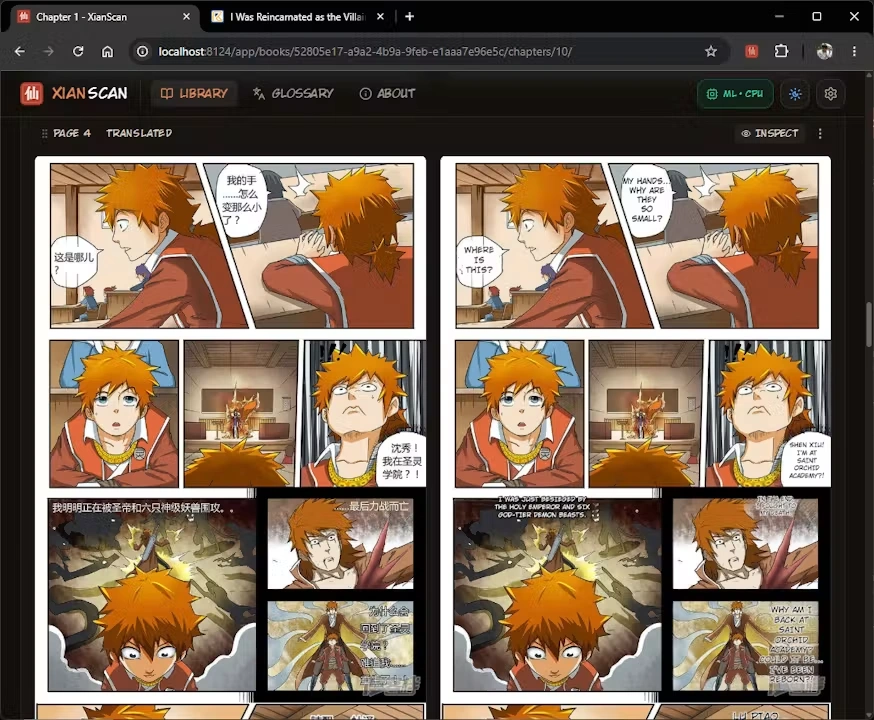
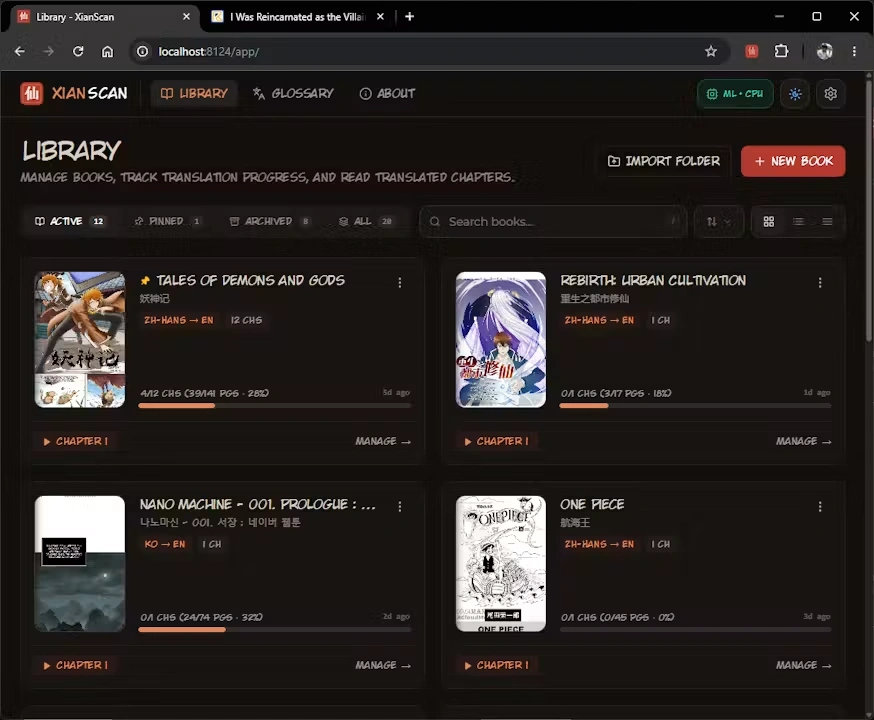
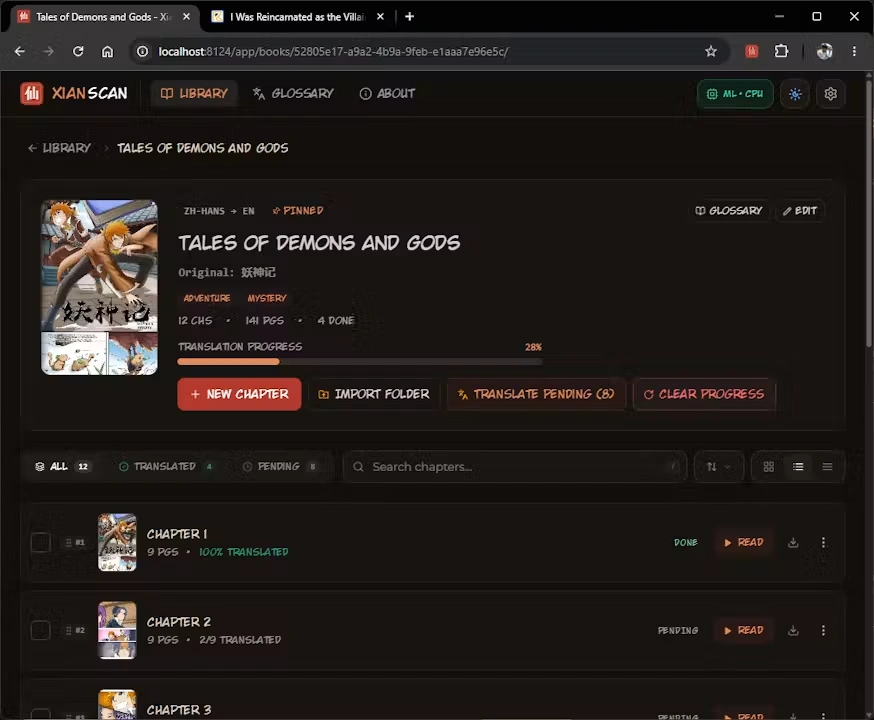
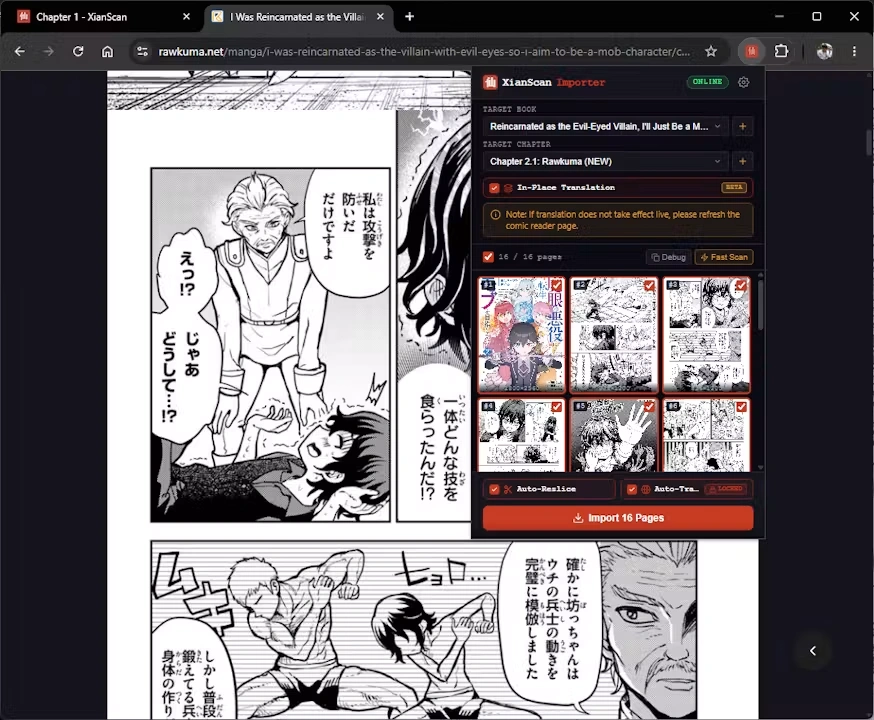
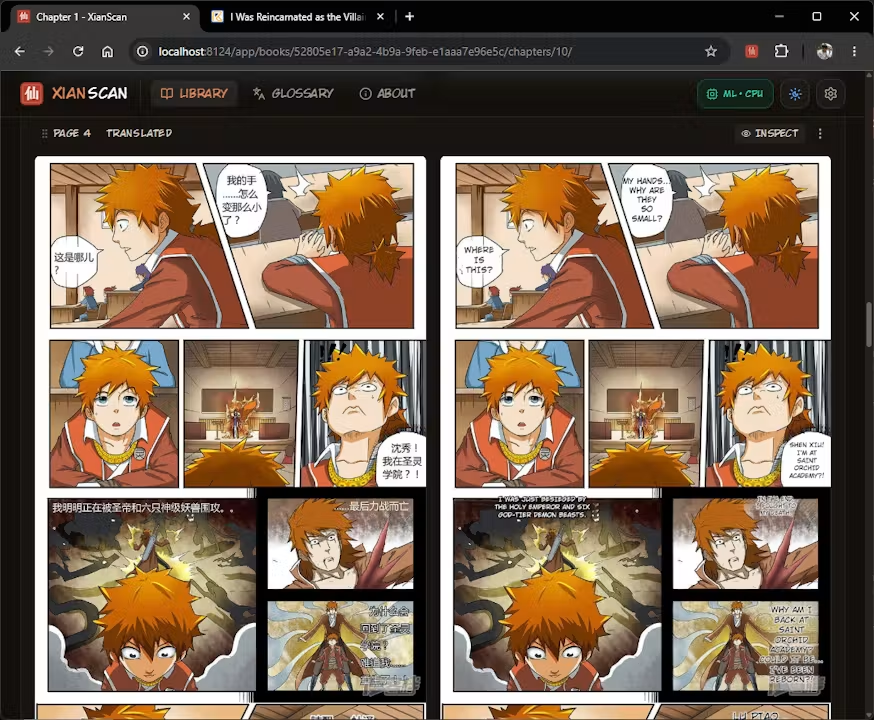
A self-contained, local-first comic translation studio built in Rust and SvelteKit. It automates the entire manga, manhwa, and manhua translation lifecycle, from single-click web reader capture to local neural OCR, AI translation with dialogue memory, inpainting, typesetting, and streaming directly to mobile devices over home Wi-Fi.
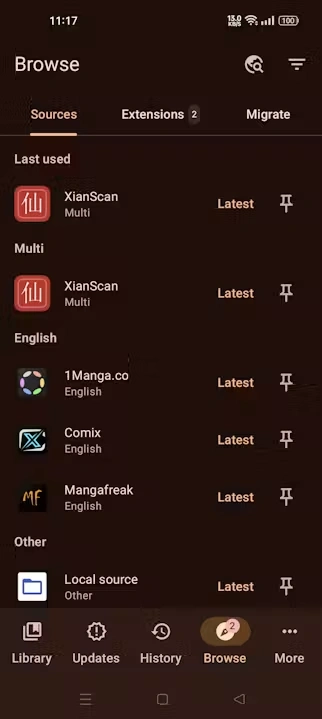
Open-source translation engine with browser & Mihon extensions
The problem
Translating raw webtoons and comics has traditionally required a fragmented chain of manual steps. Readers and scanlators had to take screenshots, run external OCR tools, manually clone-stamp artwork in Photoshop to remove text, translate line by line without context between pages, and manually align text layers in image editors. Long-strip webtoons also created seam errors when sliced across dialogue bubbles, and existing desktop translation software required complex Python runtimes, CUDA configurations, or paid cloud APIs.
The solution
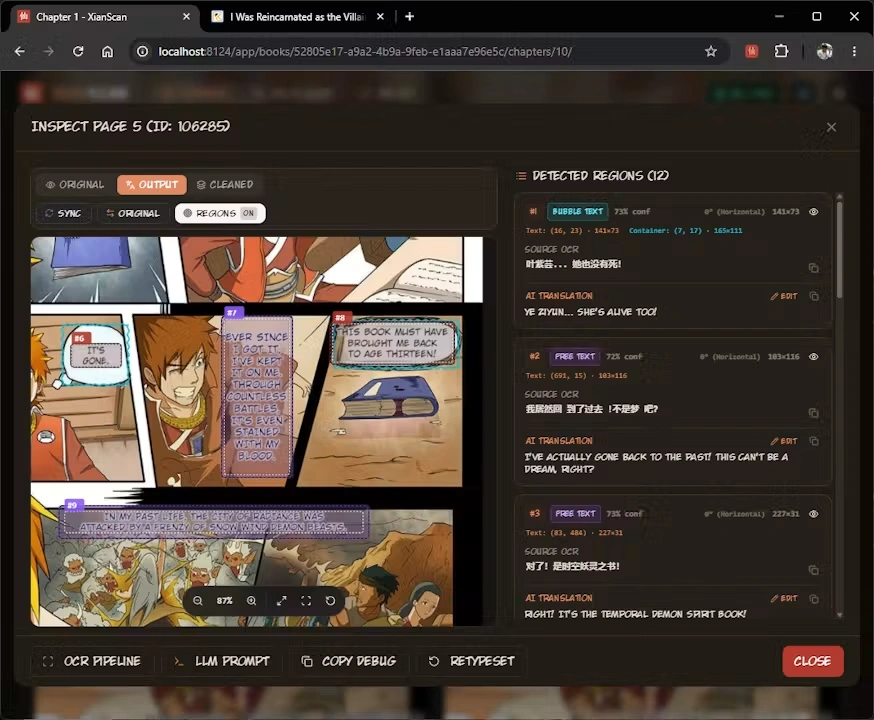
I built XianScan as an end-to-end translation server packaged into a single standalone executable. The engine embeds all neural network models, OCR dictionaries, and the SvelteKit web interface directly into the Rust binary, requiring no Python environment or external runtime. It handles vertical gutter reslicing, RF-DETR speech bubble segmentation, multi-language OCR across ten languages, LaMa neural inpainting, and Google Skia typesetting. Translation is driven by local LLMs or cloud providers using an elastic five-page dialogue memory tracker and Aho-Corasick glossaries to keep character pronouns and names consistent. A companion browser extension provides single-click chapter capture with in-place live translation on web readers, while a dedicated Mihon extension streams finished chapters directly to mobile devices over local Wi-Fi.
Key features
What I learned
Tech stack
Demo
XianScan automated translation studio demo
Screenshots